




Winter presents additional risks for vacant commercial properties. Falling temperatures, heavy rainfall, strong winds and shorter daylight hours can all contribute to damage and security concerns, particularly when buildings are left unoccupied for extended periods.
Without regular inspections and appropriate preventative measures, relatively minor issues can develop into costly repairs. Frozen pipes, water leaks, storm damage and unauthorised access are among the problems property owners and managers need to consider.
Preparing a vacant commercial property before winter arrives can help reduce these risks, protect the building’s condition and avoid unnecessary expenditure.
1. Inspect the Building Before Winter
A thorough property inspection is an important starting point. Identifying maintenance issues before temperatures drop can prevent existing problems from becoming more serious.
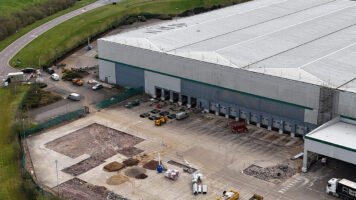
Particular attention should be given to the roof, gutters, drainage systems, windows and external doors. Loose roof tiles, blocked gutters and damaged seals can allow water to enter the building during periods of heavy rainfall.
External areas should also be checked for damaged fencing, overgrown vegetation, unsecured materials, accumulated waste and signs of pest activity.
Marpol Security provides professional Vacant Property Inspections, helping property owners and managers identify maintenance and security concerns before winter weather causes further problems. Any issues identified can be documented and addressed before conditions deteriorate.
2. Protect Water Pipes and Plumbing Systems
Frozen and burst pipes are among the most expensive winter-related risks for vacant commercial buildings. When water freezes inside pipework, it expands and can cause pipes or fittings to fail.
If a pipe bursts while a property is unoccupied, significant water damage may occur before the problem is discovered.
Depending on the building and its systems, preventative measures may include:
- Insulating exposed pipes and water tanks
- Checking pipework for existing leaks or damage
- Maintaining appropriate background heating
- Draining down water systems where suitable
- Isolating water supplies where appropriate
- Checking that stopcocks and isolation valves are accessible
Marpol Security provides professional Drain Down & Isolation of Services, including draining internal water systems to help prevent frozen and burst pipes. This can be particularly important for commercial properties left vacant throughout winter.
Any decision to drain or isolate systems should account for fire protection equipment and other essential building services.
3. Review Heating and Electrical Systems
Heating arrangements need careful consideration during the winter months. Switching off heating completely may increase the risk of frozen pipes, while leaving systems operating without appropriate checks can introduce other problems.
Property owners should assess whether background heating is required and ensure that heating equipment is maintained and operating safely.
Electrical installations should also be reviewed. Unnecessary equipment can be disconnected where appropriate, while essential systems such as alarms, CCTV and emergency equipment must retain their required power supplies.
Marpol Security can also arrange gas and electricity isolation as part of its vacant property services, helping ensure unused utilities are safely managed while essential systems remain operational.
Any changes to building services should be carried out by suitably qualified professionals.
4. Check the Property’s Security Arrangements
Vacant commercial properties can be vulnerable to trespassing, vandalism, theft and illegal occupation. Longer winter nights create additional opportunities for unauthorised access, making effective security particularly important.
Before winter, check:
- External doors, windows and access points
- Existing locks and security shutters
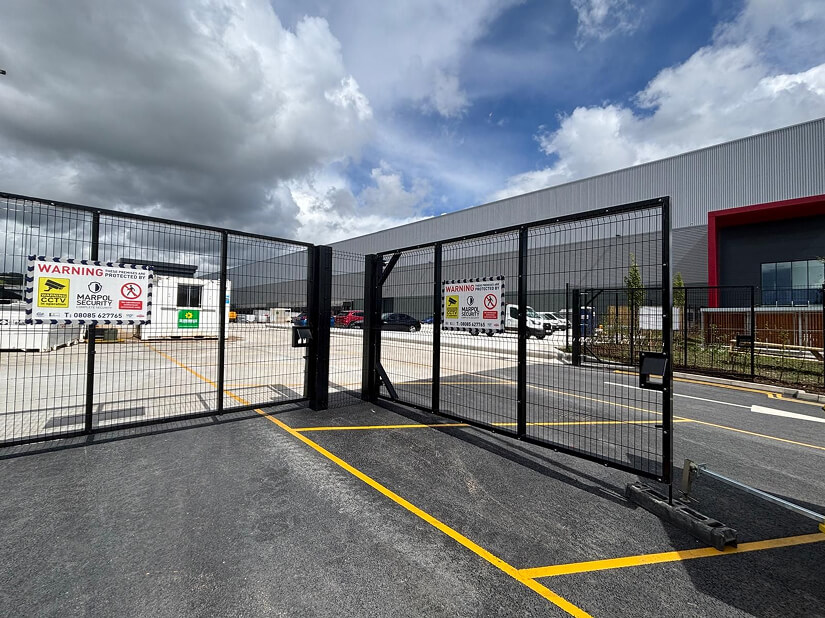
- Perimeter fencing and gates
- Intruder alarms and CCTV systems
- External lighting
- Signs of previous unauthorised access
Properties with inadequate security may need additional protection.
Marpol Threat Detection provides external perimeter monitoring, helping identify unauthorised activity before intruders reach the building.
Marpol Intruder Detection provides internal protection, detecting activity within vacant premises and supporting a coordinated response to security incidents.
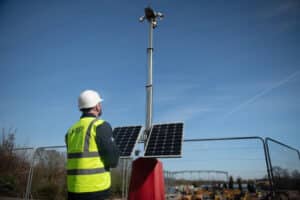
For larger properties, Marpol CCTV Towers provide visible surveillance and monitoring, helping deter trespassing and to identify suspicious activity across exposed areas.
Where doors, windows or perimeter boundaries are vulnerable, Marpol Security can also provide steel security doors, window screens, lock changes and emergency boarding up.
These measures can be supported by Mobile Patrols, vacant property inspections and Alarm Response services.
5. Arrange Regular Vacant Property Inspections
Even a well-maintained building can develop problems during prolonged periods of cold or wet weather. Regular inspections help identify issues that may otherwise go unnoticed.
Inspections can reveal signs of water ingress, storm damage, attempted break-ins, damaged security equipment or deterioration in the property’s condition.
A structured inspection programme should consider:
- Signs of leaks, damp or flooding
- Damage to roofs, windows and doors
- Evidence of trespassing or vandalism
- The condition of external boundaries
- Alarm and security system operation
- Changes in the property’s overall condition
Marpol Security provides scheduled Vacant Property Inspections, including internal and external checks, utility monitoring and photographic reporting. These inspections help identify maintenance and security concerns while providing documented evidence to support insurance requirements.
Inspection frequency should reflect the building’s condition, location, exposure to risk and insurance requirements.
6. Review Your Vacant Property Insurance
Insurance arrangements can change when a commercial property becomes unoccupied. Some policies impose additional conditions or restrictions once a building has been vacant for a specified period.
These conditions may include requirements for regular inspections, heating, water isolation, security measures or notification of changes to the property’s occupancy.
Property owners and managers should review their policy documentation and speak to their insurer to confirm the conditions that apply.
Marpol Security can support vacant property insurance requirements through documented inspections, security assessments, utility isolation and compliance services, helping property owners maintain the records required by their insurers.
Failing to meet policy requirements could affect cover if damage or an incident occurs.
7. Prepare for Severe Weather and Emergencies
Winter weather can change quickly, so it is important to have arrangements in place if an incident occurs.
Property managers should ensure that emergency contact details are current and that contractors can access the building when necessary. Procedures should also be established for responding to alarm activations, flooding, storm damage or security breaches.
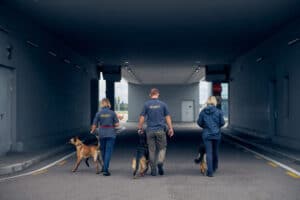
Marpol Security provides professional Keyholding and Alarm Response services, with trained security officers available to attend alarm activations, investigate incidents and secure premises where necessary. Supported by Marpol’s 24/7 Control Room, these services help ensure security incidents are dealt with promptly, even when a property is unoccupied.
Having these arrangements in place can help reduce delays when urgent action is needed.
How Marpol Security Can Help Protect Vacant Properties This Winter
Preparing a vacant commercial property for winter involves both preventative maintenance and effective security. Even a well-secured building can suffer significant damage if leaks, storm damage or other maintenance issues go unnoticed.
Marpol Security works with commercial property owners, managing agents, landlords and Insolvency Practitioners to protect vacant buildings across the UK.
Our services include Vacant Property Inspections, Drain Down & Isolation of Services, temporary alarm systems, CCTV Towers, physical security measures, Mobile Patrols and Alarm Response.